
We Value Your Privacy
We use cookies and similar technologies to enhance your browsing experience, analyze site traffic, and personalize content. By clicking “Accept All,” you consent to the use of all cookies. You can manage your preferences or learn more by clicking “Settings.”For detailed information, please review ourPrivacy Policy.


Build with Asvoria.app — Launch Smarter, Faster!
Instantly create stunning AI-powered web apps and games for your next big project on Asvoria.app. No coding. No waiting. Just launch.
FBI Warns FaceStealer Uses Familiar Faces to Deliver Crypto-Theft Malware
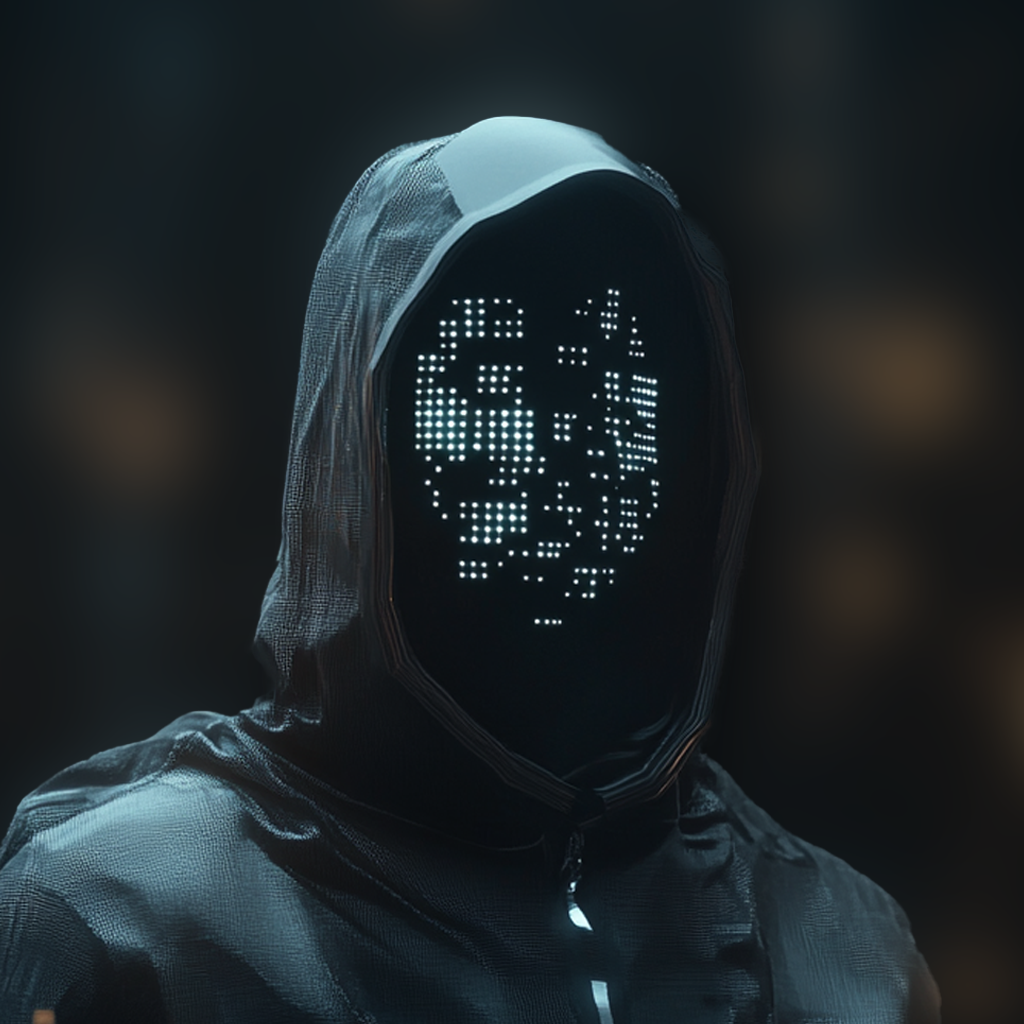
November 15, 2026 at 7:00 PMby The Block Whisperer

+1

+0
A new advisory explains how stolen accounts and recorded video turn fake meeting repairs into a compromise.

Web3 insights in your social media feed
A trusted-looking meeting can be the trap
The FBI’s November 12 FaceStealer advisory warns cryptocurrency workers and open-source maintainers about a North Korean social-engineering campaign. The agency attributes more than $400 million in cryptocurrency theft over 18 months to the scheme and says investigators seized more than 900 recorded webcam videos used to impersonate victims.
The attack can begin with an invitation from a genuine account that has already been hijacked. In a counterfeit meeting, prerecorded footage makes familiar contacts appear to be present. A supposed audio or connection problem then becomes the pretext for instructions that install malware on the target’s computer.
Recognition is not authentication
The FBI recommends using official meeting applications and invite codes, independently confirming invitations through another channel, and refusing instructions to run scripts or paste terminal code as a meeting repair. Its report also warns that theft may occur months after the initial compromise, so a lack of immediate losses does not establish that a device is safe.
The broader lesson is that several convincing signals can share the same compromised source. A familiar profile, a relevant conversation history and a recognizable face may all come from material obtained in an earlier intrusion. Counting those signals as independent proof can create confidence that the evidence does not actually support.
The risk extends beyond a single wallet
For software maintainers, account access can be as valuable to an attacker as a cryptocurrency balance. A workstation may connect communications, development tools and publishing permissions. That makes an apparently ordinary meeting request a possible entry point into systems used by many other people, even when no financial transaction is discussed.
A useful organizational response is to make legitimate support procedures easy to recognize. Staff should know where to obtain approved updates and how to verify unexpected requests without remaining inside the same conversation. A process that allows people to pause a meeting without embarrassment can reduce the pressure to follow an urgent but unfamiliar repair instruction.
The advisory shows why security cannot rely solely on detecting poor grammar, unknown senders or visibly artificial video. The decisive question is what the interaction asks a person to do. An unexpected request to alter a computer’s execution environment deserves independent verification, even when the screen appears to show a colleague who is normally trusted.
Explore more articles like this
Subscribe to Asvoria News to receive all the latest news.
Stay ahead with exclusive press releases and expert insights on Web3 and the Spatial Web. Be the first to hear about Asvoria’s latest innovations, events, and updates. Join us — subscribe today!
Editor’s choice
- S and P Introduces Digital Markets 50 Index Blending Crypto and Stocks
- Major Global Banks Explore Issuing Stablecoins Pegged to G7 Currencies
- Crypto Carnage: $102K Bitcoin Flash Crash and SUI’s 87% Plunge as Tariff Shock Triggers Record Liquidations
- BlackRock’s iBIT ETF Hits 100 Billion Dollars in Assets Amid Institutional Crypto Surge
- Tensions Between U.S. Senators Stall Crypto Regulation Bill
© 2026 Asvoria. All rights reserved.
Avoria does not endorse or promote investment in any of the tokens or NFT projects featured on this platform.
We accept no responsibility for any losses incurred. Users should conduct their own research and consult with a financial advisor before investing.
For more information about Doing Your Own Research (DYOR), please visit this link.