
We Value Your Privacy
We use cookies and similar technologies to enhance your browsing experience, analyze site traffic, and personalize content. By clicking “Accept All,” you consent to the use of all cookies. You can manage your preferences or learn more by clicking “Settings.”For detailed information, please review ourPrivacy Policy.


Build with Asvoria.app — Launch Smarter, Faster!
Instantly create stunning AI-powered web apps and games for your next big project on Asvoria.app. No coding. No waiting. Just launch.
Trezor Updates CryptoBilis Investigation and Tightens Reseller Controls
November 14, 2026 at 7:00 AMby The Block Whisperer

+1

+0
Trezor reports three affected Safe 5 devices and says a firmware fix does not undo an earlier backup exposure.
Web3 insights in your social media feed
Three devices identified in the investigation
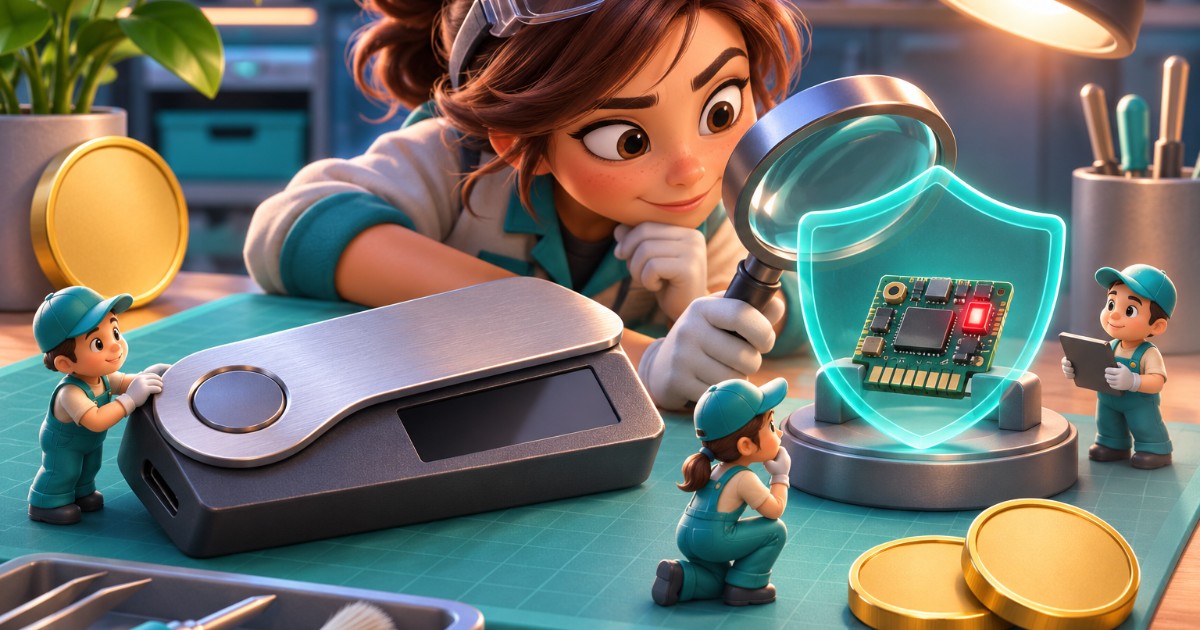
Trezor’s November 12 investigation update identifies three Safe 5 devices bought from former reseller CryptoBilis with malicious hardware implants. The company examined one device in its laboratory and identified two others from owner photographs. It says none of those owners had reported lost funds.
The identified purchases took place between August 20 and September 23, 2026. Trezor says its checks found no evidence of the implant in other models or devices from other resellers. Those findings describe the investigation so far; they should not be expanded into a claim that every device in circulation has been individually examined.
Firmware protection and earlier exposure
Trezor says firmware 2.13.1, released November 11, prevents the implants it has found from capturing information. However, its guidance for CryptoBilis buyers remains to move funds to a new wallet with a new seed, because an update cannot undo a backup captured earlier. Purchasers from March 2026 onward are eligible for replacement arrangements through Trezor Support.
That distinction is fundamental to recovery from a possible secret exposure. Blocking future observation does not revoke information an attacker may already possess. A device repair and a wallet recovery procedure solve different problems, so the security status of the hardware cannot be assessed separately from the history of its recovery material.
Supply-chain controls are also changing
The company also reports reducing its reseller network by about 80% and imposing stricter processes on remaining partners. It explicitly says the removed partners were trustworthy and did not present an immediate threat. The reduction should therefore not be portrayed as evidence that most former resellers distributed compromised products.
For readers, the case illustrates why a hardware wallet’s supply chain is part of its security boundary. Protective features inside a product operate alongside sourcing, storage and handling controls. A physical modification can create a different class of problem from a malicious website or a compromised computer connected to an otherwise genuine device.
Customers assessing this specific incident should use the manufacturer’s current support channels and investigation notice rather than instructions sent by unsolicited accounts. The update provides both a narrower picture of the devices identified and a broader precautionary response for CryptoBilis buyers. It also explains why the absence of a reported loss is not the same as proof that recovery information was never exposed.
Explore more articles like this
Subscribe to Asvoria News to receive all the latest news.
Stay ahead with exclusive press releases and expert insights on Web3 and the Spatial Web. Be the first to hear about Asvoria’s latest innovations, events, and updates. Join us — subscribe today!
Editor’s choice
- Major Global Banks Explore Issuing Stablecoins Pegged to G7 Currencies
- Crypto Carnage: $102K Bitcoin Flash Crash and SUI’s 87% Plunge as Tariff Shock Triggers Record Liquidations
- Tensions Between U.S. Senators Stall Crypto Regulation Bill
- BlackRock’s iBIT ETF Hits 100 Billion Dollars in Assets Amid Institutional Crypto Surge
- S and P Introduces Digital Markets 50 Index Blending Crypto and Stocks
© 2026 Asvoria. All rights reserved.
Avoria does not endorse or promote investment in any of the tokens or NFT projects featured on this platform.
We accept no responsibility for any losses incurred. Users should conduct their own research and consult with a financial advisor before investing.
For more information about Doing Your Own Research (DYOR), please visit this link.