
We Value Your Privacy
We use cookies and similar technologies to enhance your browsing experience, analyze site traffic, and personalize content. By clicking “Accept All,” you consent to the use of all cookies. You can manage your preferences or learn more by clicking “Settings.”For detailed information, please review ourPrivacy Policy.


Build with Asvoria.app — Launch Smarter, Faster!
Instantly create stunning AI-powered web apps and games for your next big project on Asvoria.app. No coding. No waiting. Just launch.
Zerohash AUTH Replaces Address Copying With Linked Crypto Accounts

October 22, 2026 at 12:00 PMby The Block Whisperer

+0

+0
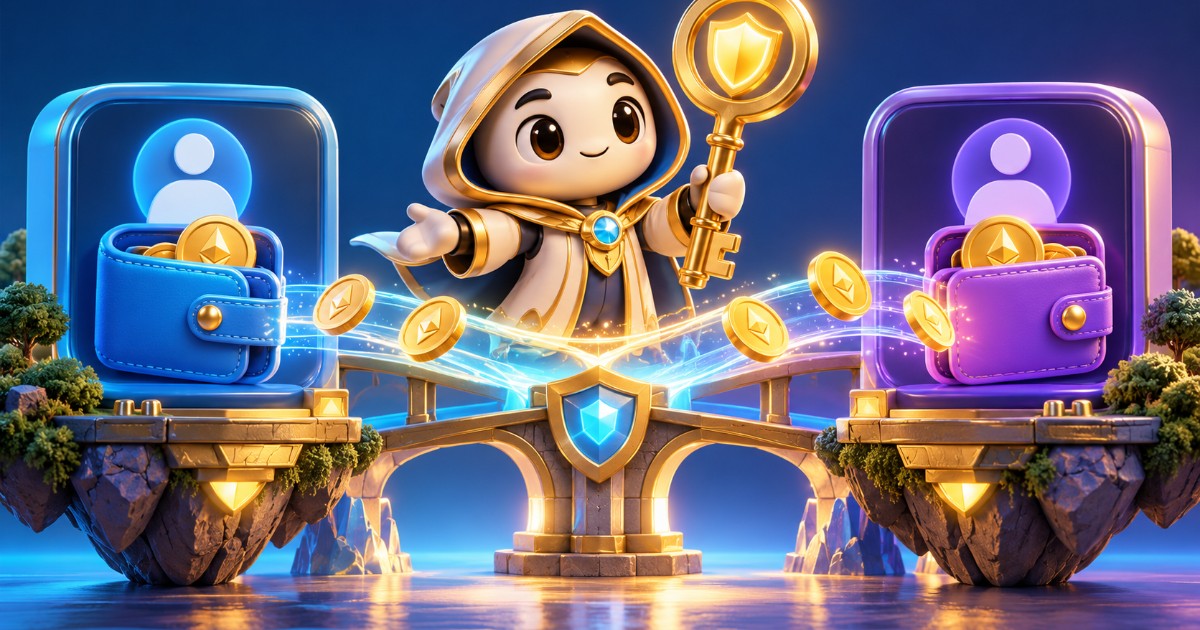
Zerohash’s AUTH service lets users connect accounts and authorize onchain transfers through a simpler interface.
Web3 insights in your social media feed
Transfers Start With an Authenticated Connection
Zerohash introduced AUTH on October 19 as an account-linking and authentication product for onchain asset movements. Its documentation describes a flow in which users select an external account or wallet, authenticate, review the transfer details and approve the transaction without copying an address or choosing a blockchain network themselves.
The service can connect custodial accounts and self-custodial wallets, with platforms configuring permitted assets, accounts and transfer types. Zerohash says AUTH offers more than 600 connections. That describes the available connection network; it does not mean every platform implementing AUTH will expose every connection or support every asset and transfer route.
A Simpler Interface Can Reduce Practical Friction
Copying a long wallet address is an unfamiliar task for many people. Even an experienced user may pause to check that the asset and network match the destination. An account-based experience can move some of that complexity into the service, allowing the customer to recognize a connection and review a clearer transaction summary.
The important result is not merely fewer steps on a screen. A well-designed flow should help a person understand where funds are going, what they are sending and when the transfer is complete. Simplification is most valuable when it preserves that understanding while reducing opportunities for avoidable mistakes during an ordinary transaction.
Authorization Remains a Separate Responsibility
Account linking also introduces a relationship that users need to understand. Connecting an account and approving a particular transfer are related actions, but they answer different questions. Clear permissions and review screens help explain what a connection enables and which action is being authorized at the moment funds move.
For a platform, implementation therefore includes more than adding a connection button. Supported routes, transaction status and customer support must fit together. If a transfer cannot complete, users need a useful explanation of what happened and what their account now holds, even when the underlying blockchain details remain outside the main interface.
AUTH addresses a recurring barrier between crypto infrastructure and mainstream financial applications: powerful transfer systems can still be awkward to use. The service’s value will be demonstrated through dependable account connections and understandable transaction flows. Its launch adds another approach to making onchain movement feel more like a familiar account operation, while retaining the review and permission steps that give users control.
Explore more articles like this
Subscribe to Asvoria News to receive all the latest news.
Stay ahead with exclusive press releases and expert insights on Web3 and the Spatial Web. Be the first to hear about Asvoria’s latest innovations, events, and updates. Join us — subscribe today!
Editor’s choice
- BlackRock’s iBIT ETF Hits 100 Billion Dollars in Assets Amid Institutional Crypto Surge
- Major Global Banks Explore Issuing Stablecoins Pegged to G7 Currencies
- Crypto Carnage: $102K Bitcoin Flash Crash and SUI’s 87% Plunge as Tariff Shock Triggers Record Liquidations
- Tensions Between U.S. Senators Stall Crypto Regulation Bill
- S and P Introduces Digital Markets 50 Index Blending Crypto and Stocks
© 2026 Asvoria. All rights reserved.
Avoria does not endorse or promote investment in any of the tokens or NFT projects featured on this platform.
We accept no responsibility for any losses incurred. Users should conduct their own research and consult with a financial advisor before investing.
For more information about Doing Your Own Research (DYOR), please visit this link.